Premium OEM equipment, custom multi-modal cargo transport platforms, and integrated storage solutions driving global e-commerce systems.
Shenzhen LG Logistics Co., Ltd. is a premier provider of comprehensive logistics solutions, specializing in FBA Amazon shipping, air freight, and sea freight services. Operating under its flagship brand LG SwiftLogix, the company has built a reputation for reliability, speed, and efficiency in global e-commerce logistics. Headquartered in Shenzhen, China, LG Logistics leverages its strategic location and advanced supply chain infrastructure to offer seamless shipping solutions for businesses of all sizes.
The company’s service portfolio includes Amazon FBA preparation and labeling, warehouse management, customs clearance, and both air and sea freight options, including LCL (Less than Container Load) and FCL (Full Container Load) shipping. By integrating smart logistics management systems and real-time tracking, Shenzhen LG Logistics ensures that shipments reach their destinations safely, on time, and cost-effectively.
A comprehensive analysis of custom OEM manufacturing, containerized freight engineering, and cross-border logistics strategies.
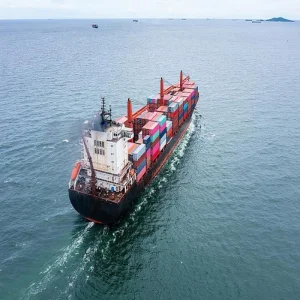
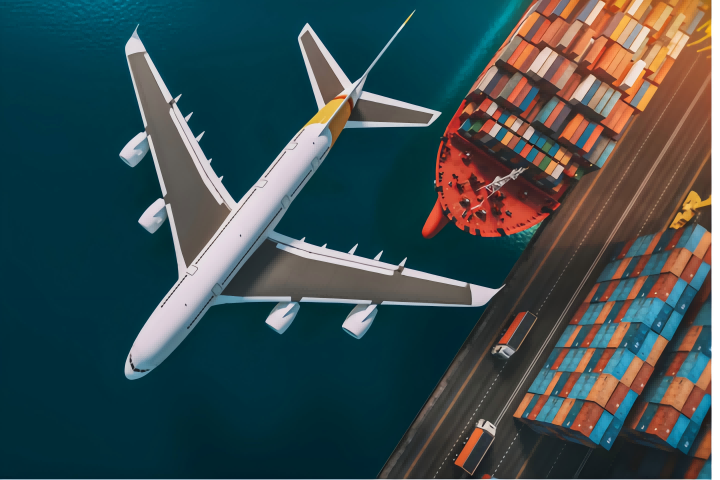
The contemporary global trade system is built on containerized ocean transport. High-efficiency maritime logistics link manufacturing hubs in East Asia with North American, European, and Latin American consuming markets. According to data from the International Chamber of Shipping, sea freight moves about 90% of global trade. In an era marked by shifting trade policies, labor shortages at major ports, and geopolitical adjustments, businesses must design resilient supply chain strategies.
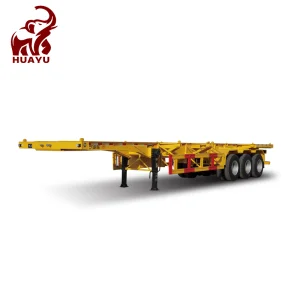
For enterprise shippers, relying on standard "off-the-shelf" logistics services often leads to inefficiencies. Custom OEM sea freight options allow companies to optimize their shipping strategies for specific cargo loads. Working directly with container manufacturers to customize structures—like utilizing skeleton semi-trailers for intermodal transfers or designing customized double-decker interior frames—helps industrial businesses minimize cargo damage, optimize volume capacity, and lower costs per ton-mile.
Years of Logistics Expertise
Clearance Success Rate
Countries Connected
FBA Units Prepared/Mo
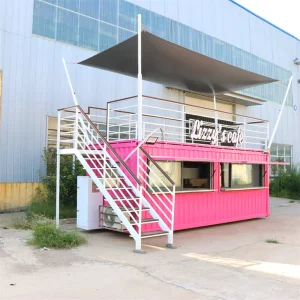
Modern transport demands specialized cargo holds. Beyond standard ISO shipping dry vans, the industry requires specialized equipment like skeleton semi-trailers designed for heavy multi-modal logistics, and 20FT double-decker shipping containers converted into modular retail or commercial setups. These customizations require precise steel structural engineering to withstand dynamic maritime stresses (pitch, roll, and heave) while complying with International Convention for Safe Containers (CSC) guidelines.
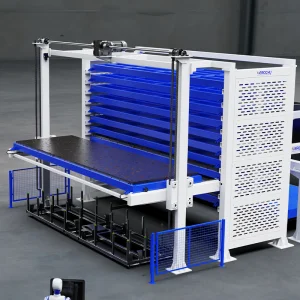
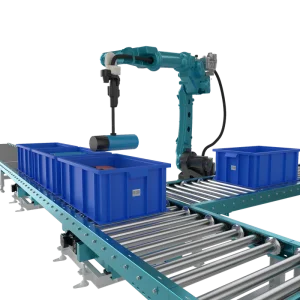
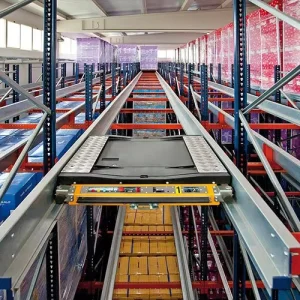
LG SwiftLogix works with certified OEM manufacturers to build tailored freight units. This includes manufacturing specialized structural containers and designing high-density warehouse racking systems (like multi-tier shuttle systems) that interface directly with automated port-loading machinery. These custom solutions improve the connection between factory floors, transport containers, and end-user distribution centers.
"A highly integrated supply chain isn't just about moving cargo. It's about combining physical container design, smart transport, and automated logistics to optimize overall shipping performance." — LG SwiftLogix Supply Chain Advisory Board
Shippers regularly face the decision between Full Container Load (FCL) and Less than Container Load (LCL) transport. Standardizing this choice involves assessing volume thresholds, tariff classifications, and delivery times.
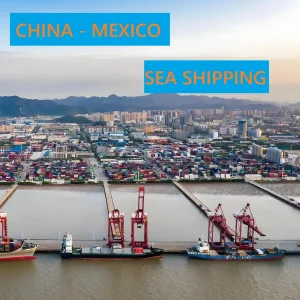
LG SwiftLogix helps shippers balance these options. Through cargo consolidation programs from major Asian ports to North America (USA, Canada, Mexico) and Europe, we group smaller consignments into unified FCL shipments. This helps lower rates, secure carrier space, and improve predictability for e-commerce and B2B clients alike.
Cross-border logistics requires strict adherence to international laws. Importers must manage changing customs regulations, including HTS classifications, FMC bonds, and destination taxes. In the e-commerce sector, shipping to platforms like Amazon FBA requires following precise logistics guidelines, such as specific pallet configurations, carton label requirements, and prep schedules to avoid carrier rejections and warehouse penalties.
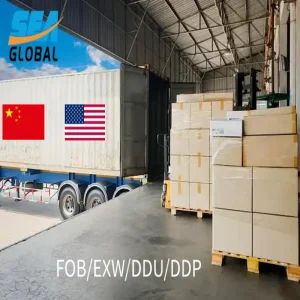
LG SwiftLogix offers structured end-to-end support for these compliance challenges. We manage labeling, product prep, customs filings, and coordinate DDP (Delivered Duty Paid) or DDU (Delivered Duty Unpaid) delivery terms. This ensures shipments meet local regulatory requirements and reach fulfillment centers smoothly.
Committed to supporting cross-border e-commerce, the company provides expert consulting for import/export compliance, risk management, and multi-modal transportation strategies. With a focus on customer satisfaction, operational efficiency, and innovative logistics solutions, Shenzhen LG Logistics Co., Ltd. empowers businesses to expand globally with confidence.
Through its dedication to excellence, technology-driven operations, and comprehensive logistics expertise, Shenzhen LG Logistics continues to redefine global supply chain solutions, helping clients optimize delivery, reduce costs, and enhance the overall shipping experience.
Handling high-value and complex logistics requirements with certified safety protocols.
We provide specialized shipping services for Class 9 Dangerous Goods, including lithium ion and metal batteries. Our operations follow international IMDG and IATA regulations, managing UN38.3 test summaries, MSDS compliance, and securing space on properly rated cargo carriers.
Our facilities manage product labeling, packaging, bundle creation, and palletization to meet Amazon's storage standards. We help ensure your inventory is received without issues or delays at Amazon fulfillment centers.
We assist in the design and delivery of custom container units, commercial mobile structures (like modular double-decker units), and industrial heavy-duty flat racks. Every custom design undergoes structural integrity checks for safe transport.
Integrating digital solutions, automated operations, and eco-friendly transportation into global logistics.
The logistics industry is transitioning toward more digital and automated operations. The next phase of supply chain design focuses on visibility, using real-time data to connect ocean carriers, customs, and distribution networks.
At LG SwiftLogix, we are building a tech-enabled logistics framework that focuses on:
Operational, regulatory, and structural insights from our logistics and compliance team.
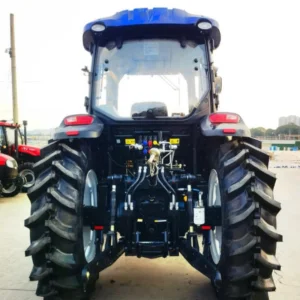
Explore our heavy-duty equipment, specialized shipping routes, and warehouse tracking solutions.
 LG Logistics